
Certifications
Upscaling certifications ensure high standards of sustainability and social responsibility:
The innovation "cultivated" in European cotton production is not just about technologies or practices, but a holistic approach along the entire supply chain – from protecting soil and biodiversity to enhancing traceability and consumer trust.
The global shift towards regenerative agriculture practices is put at the core of sustainable cotton production in Europe. The objective is soil fertility restoration, climate balance protection, and biodiversity enhancement. The use of chemicals is reduced through Integrated Pest Management (IPM), while methods such as precision irrigation (i.e. drip irrigation) conserve valuable water resources.
These techniques make crops more resilient, limit the need for chemical fertilizers, and reduce greenhouse gas emissions. Thus, the sustainability of production is enhanced, which contributes to climate change mitigation.
Full traceability and monitoring are provided from farm to end product through specialized platforms, enhancing partner and consumer trust and ensuring that there is compliance with sustainability standards at every stage. At the same time, the full cotton yarn production process follows all stages of certification under AGRO 2 and also abides by the principles of the Better Cotton Initiative (BCI).
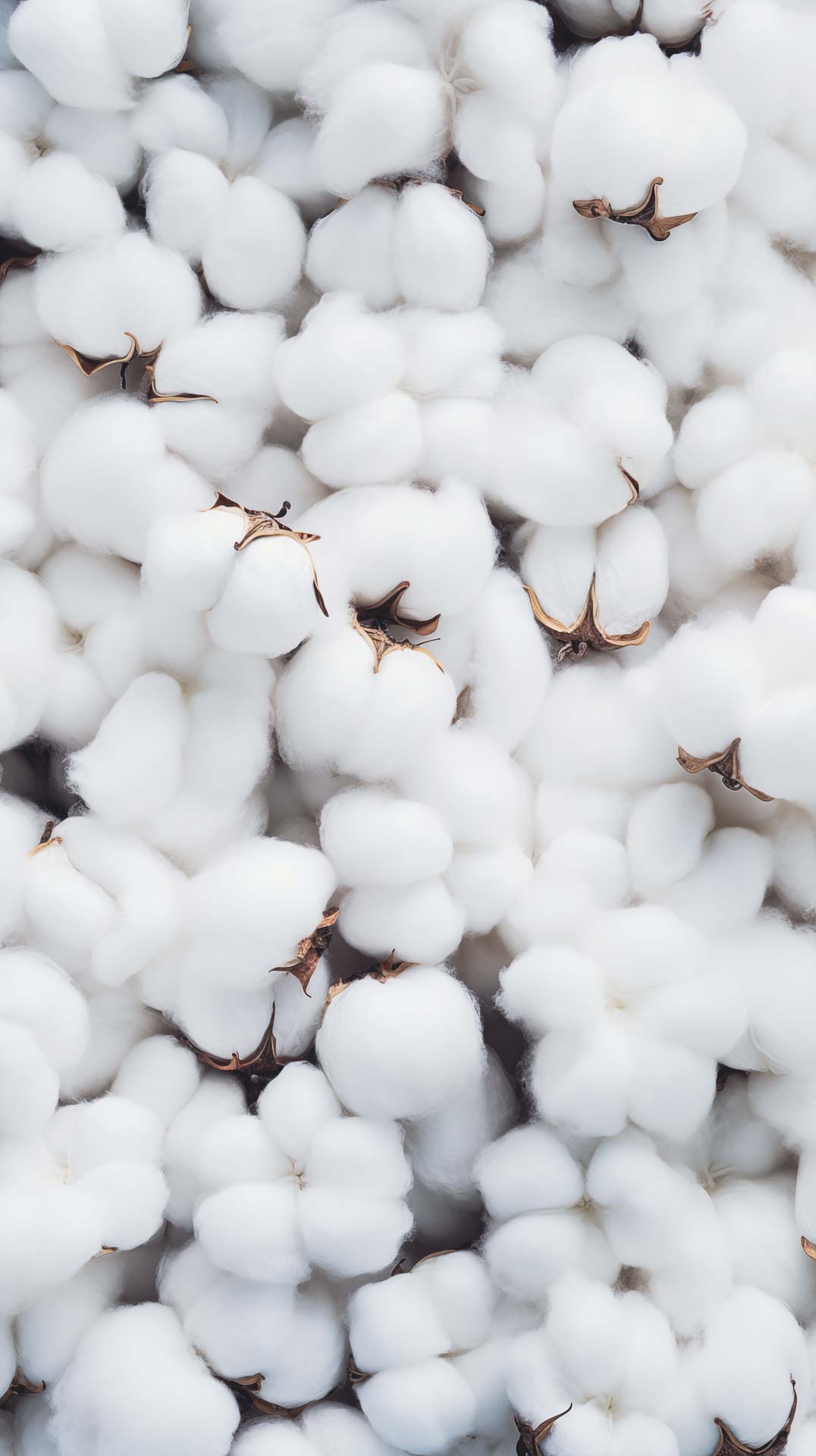
Cotton processing within the European Union abides by the circular economy principles, thereby reducing environmental impacts and enhancing energy efficiency.
Upscaling certifications ensure high standards of sustainability and social responsibility:
Innovation in European cotton production endeavors to reduce CO₂ emissions through new cultivation techniques and the wider use of renewable energy sources.
Choosing non-genetically modified seeds (Non-GMO) enhances harmony with nature and protects the ecosystem while contributing to the quality of cotton. It responds to modern consumer demands for pure, sustainable products, as well as the wider strategy for a more responsible agricultural and textile industry.
All these initiatives and innovations are in line with EU sustainability strategies, such as the European Green Deal and the Common Agricultural Policy (CAP). This way, European cotton production is an ongoing process that takes the lead in agriculture and respects natural resources, supports local communities, and meets the rising demand for transparency and quality.